
The construction industry, which was once known for slowly using its traditional methods and innovation, is now experiencing a digital revolution. The way technology is designed, controlled, and distributed makes the construction more efficient, cost-effective, and durable. From advanced software tools to robotics and artificial intelligence, the effect of technology is undisputed in driving progress throughout the region.
How to Change Technology Production
Building Information Modeling (BIM)
BIM has become one of the most influential techniques in construction. This allows architects, engineers, and contractors to create 3D digital models of projects. These models improve the collaboration, detect design shocks and reduce expensive errors, and ensure even execution of the project.
Drone for On-Site Inspection
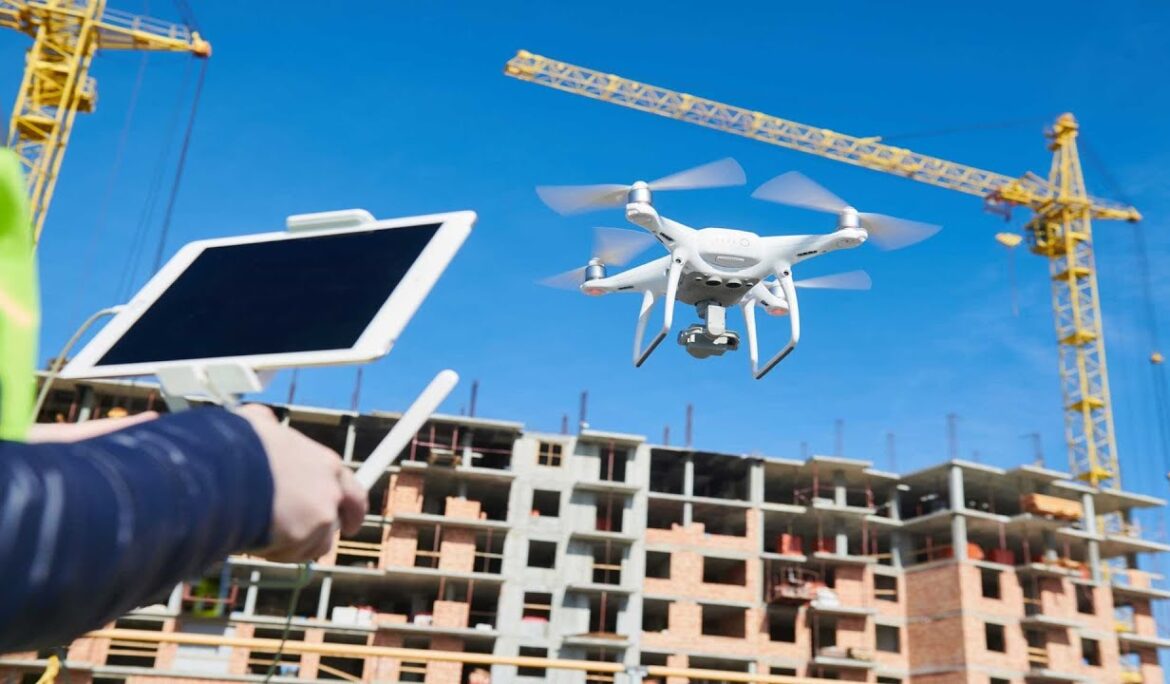
Drone brings revolution in the monitoring of the site by providing an aerial display, accurate mapping, and data collection in real time. They increase safety, accelerate inspections, and reduce manual labor, so that project managers can make informed decisions quickly.

Robotics and Automation
A robot is used for quick, repeated tasks such as brick laying, concrete slope, and demolition. Automation not only improves productivity but also reduces security risk and ensures that workers focus on tasks that require human expertise.
Artificial Intelligence (AI) and Aata Analysis
The AI-operated software helps predict the deadline for the project, manage risks, and analyze large amounts of data. Machine learning Tools can estimate the needs of maintenance tools and optimize resource allocation, reduce delays, and costs.
3D Printing in Construction
3D printing has introduced the opportunity to create entire building components – and even entire houses with record speed. This material cuts down waste and makes affordable homes more accessible.
Sustainable Technologies
Technology also helps to build stability. Smart energy systems, environmentally friendly content, and advanced waste management technology make projects more environmentally responsible.
Benefits of Technology in Construction
- Efficiency – Fast project distribution with low errors.
- Cost savings – low material waste and adapted use of resources.
- Promoted safety – low risk with drones, robotics, and portable techniques.
- Better collaborative cloud-based equipment improves coordination between teams.
- Quality assurance – Digital monitoring ensures high design standards.
Challenges of Adopting Technology
- High starting costs for advanced equipment and machines.
- Resistance to change between traditional construction companies.
- Workers need training and skill development.
- Cybersecurity problems with digital data management.
The Future of Construction Technology
Looking ahead, the construction industry will be even more technical. Innovations such as smart cities, modular construction, and AI-operated design are likely to dominate. Today, companies that embrace technology will be well placed to lead tomorrow’s market.
Conclusion
The effect of technology on the construction industry is transformative, driving efficiency, safety, and stability. From BIM and drones to AI and robotics, these advances are defining how buildings are designed and built.